

Have you ever been deep into a remodel when someone suddenly asks, “What kind of trim do you want?” Then you realize you haven’t even thought about it. You’re not alone. Millwork decisions sneak up on almost everyone. But here’s the truth: custom millwork design is the secret sauce of a well-designed home.
It’s the detail that brings character, cohesion and craftsmanship into every room. Plan the trim and molding well and they can completely transform your home, taking it from builder-basic to beautifully bespoke.
How Custom Millwork Design Elevates Residential Interiors
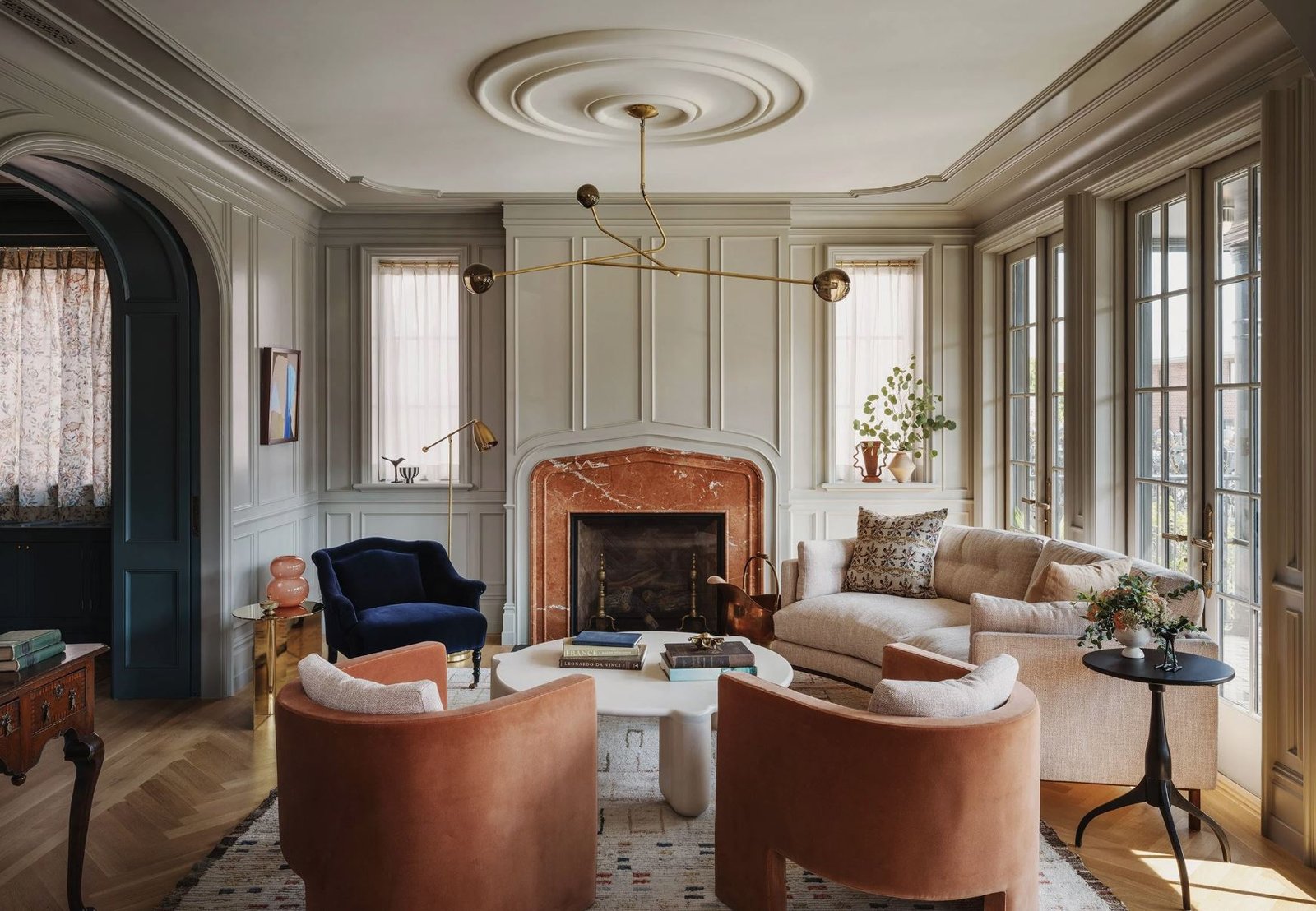
Millwork is like a language. There’s room for variation, but the most important thing is consistency. When every baseboard, door casing and crown profile speaks the same visual language, a room feels intentional and timeless.
One of the biggest mistakes I see in remodels around Raleigh and nearby communities is builder-grade millwork. It’s often too small and flat, which makes even a lovely home feel unfinished or a bit cheap. Traditional homes especially call for larger baseboards and door trim. Go up in scale and a space gains presence right away, plus that “historic home” feel everyone loves. Scale is what adds depth, weight and elegance.
On our residential interior design Raleigh NC projects, we pay close attention to one question. How does the millwork support the overall architecture of the home? If you’re not sure what’s right for your space, start by understanding its architectural language. A craftsman, colonial or modern home each tells a different story, and your millwork should fit that story.
Two books we love learning about millwork:
Get Your House Right: Architectural Elements to Use & Avoid by Marianne Cusato
A Field Guide to American Houses by Virginia Savage McAlester
Both are invaluable resources for learning proportion, authenticity, and how architecture and millwork work hand in hand.
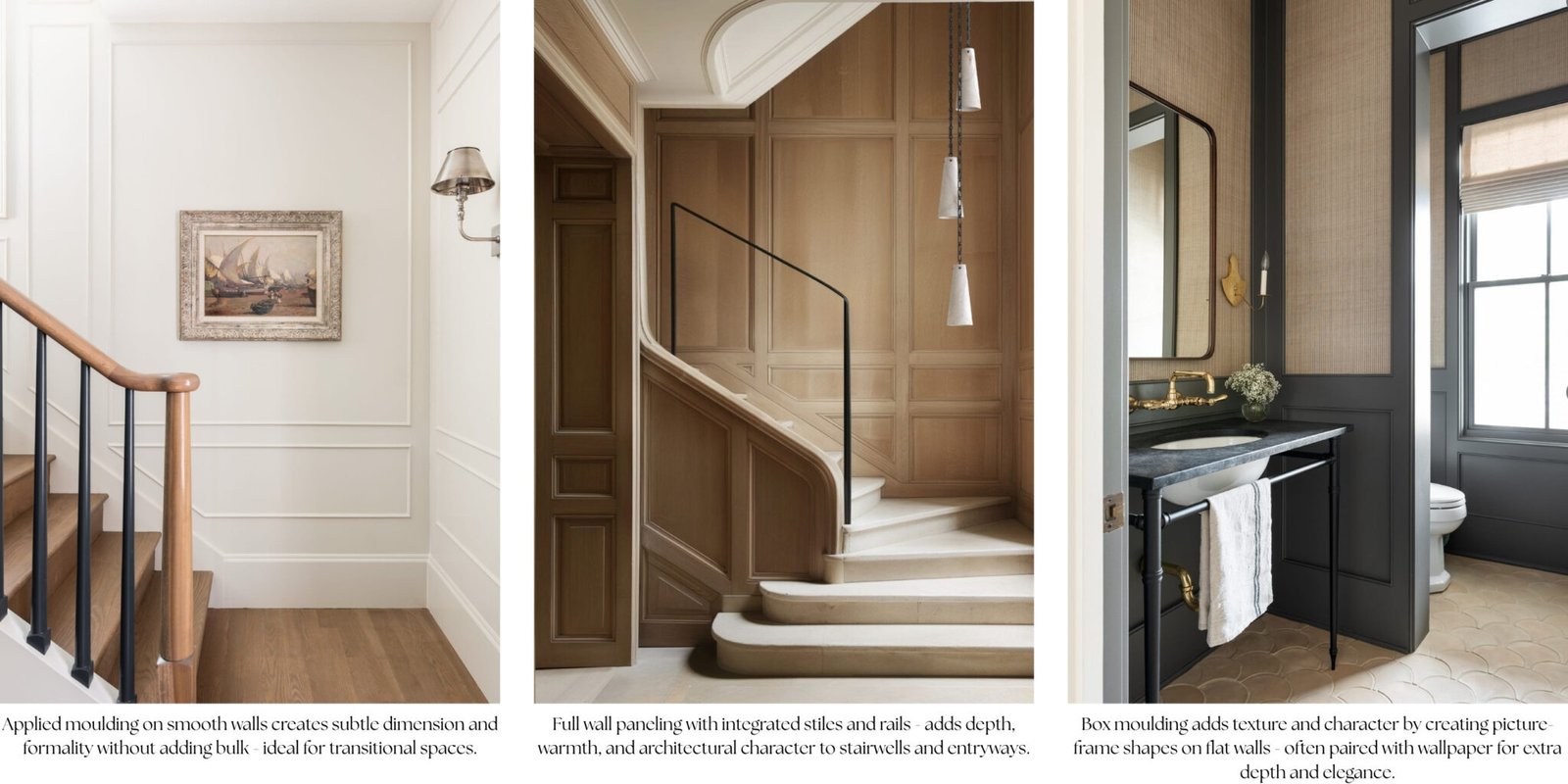
Gather Inspiration Before You Choose Profiles
Before you choose trim profiles or materials, spend time gathering inspiration. Browse Pinterest, flip through your favorite design books, notice the details in hotels and restaurants that inspire you. Save photos of the moldings, built-ins and wall treatments that catch your eye. Tall baseboards, reeded paneling, classic crown combinations. Save all of it.
If you can’t quite picture how all those details will come together, that’s completely normal. We create detailed millwork drawings and 3D renderings for our residential interior design clients throughout Raleigh and the surrounding area. Clients see every line before they order anything. That takes the guesswork, and the stress, out of the process, so every decision feels intentional.
The trickiest part of millwork design is often how different profiles come together. How does the cabinetry meet the base molding? How does the cabinet crown flow into the room’s crown molding? That’s why we build a detailed 3D model for every project. It lets us study those transitions closely and see exactly where the profiles meet. Everything ends up cohesive and beautifully integrated.
Choose Quality Materials That Last
Millwork comes in MDF, pine, or hardwoods like poplar and oak. Each has its place, but quality materials always show. I encourage clients to invest in the best option their budget allows. That goes double for high-traffic spaces and areas prone to moisture.
A well-executed custom millwork design does more than improve the look; it becomes part of your home’s architecture. Specify it carefully, install it well, and it will feel like it has always belonged there.
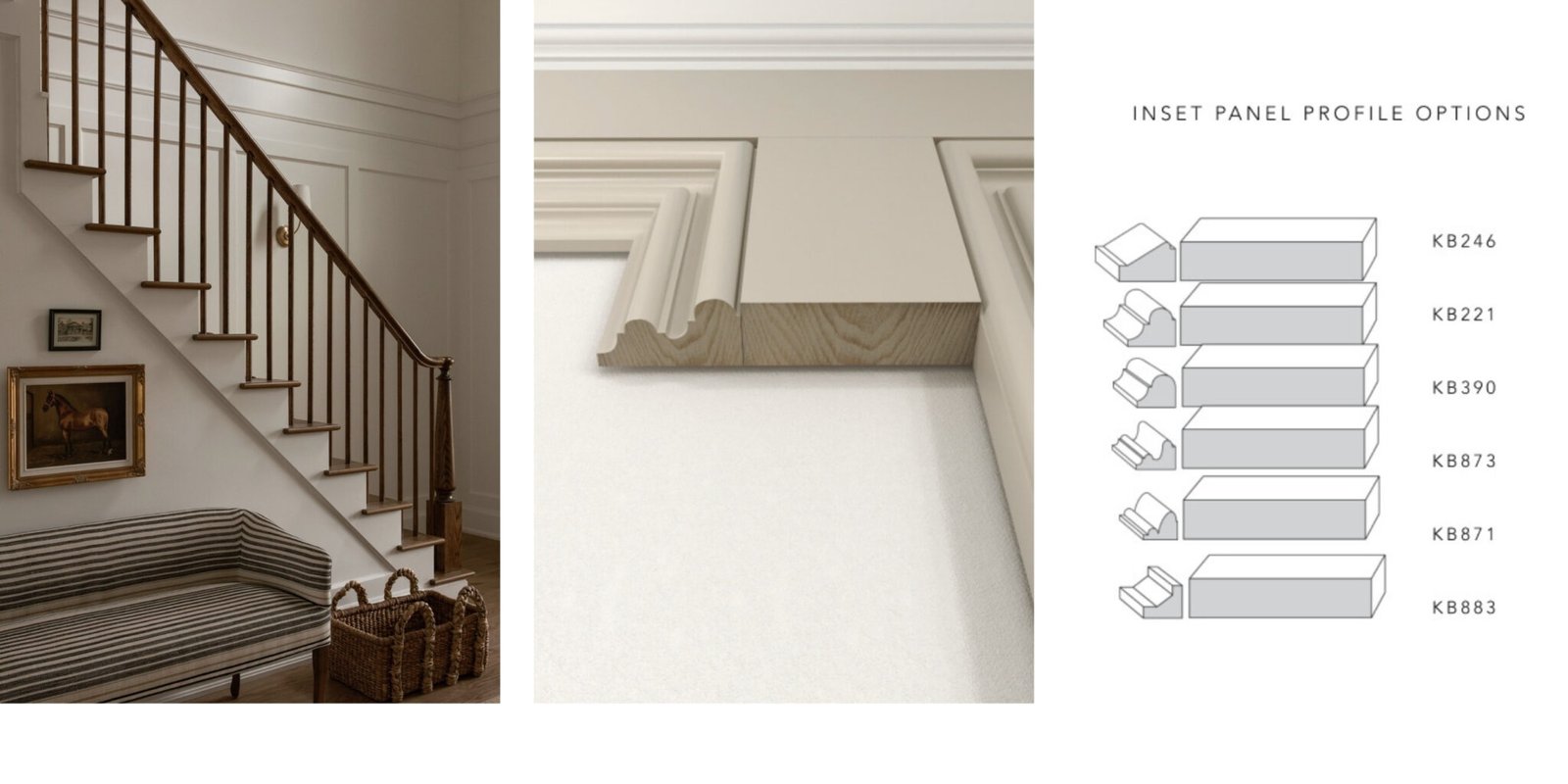
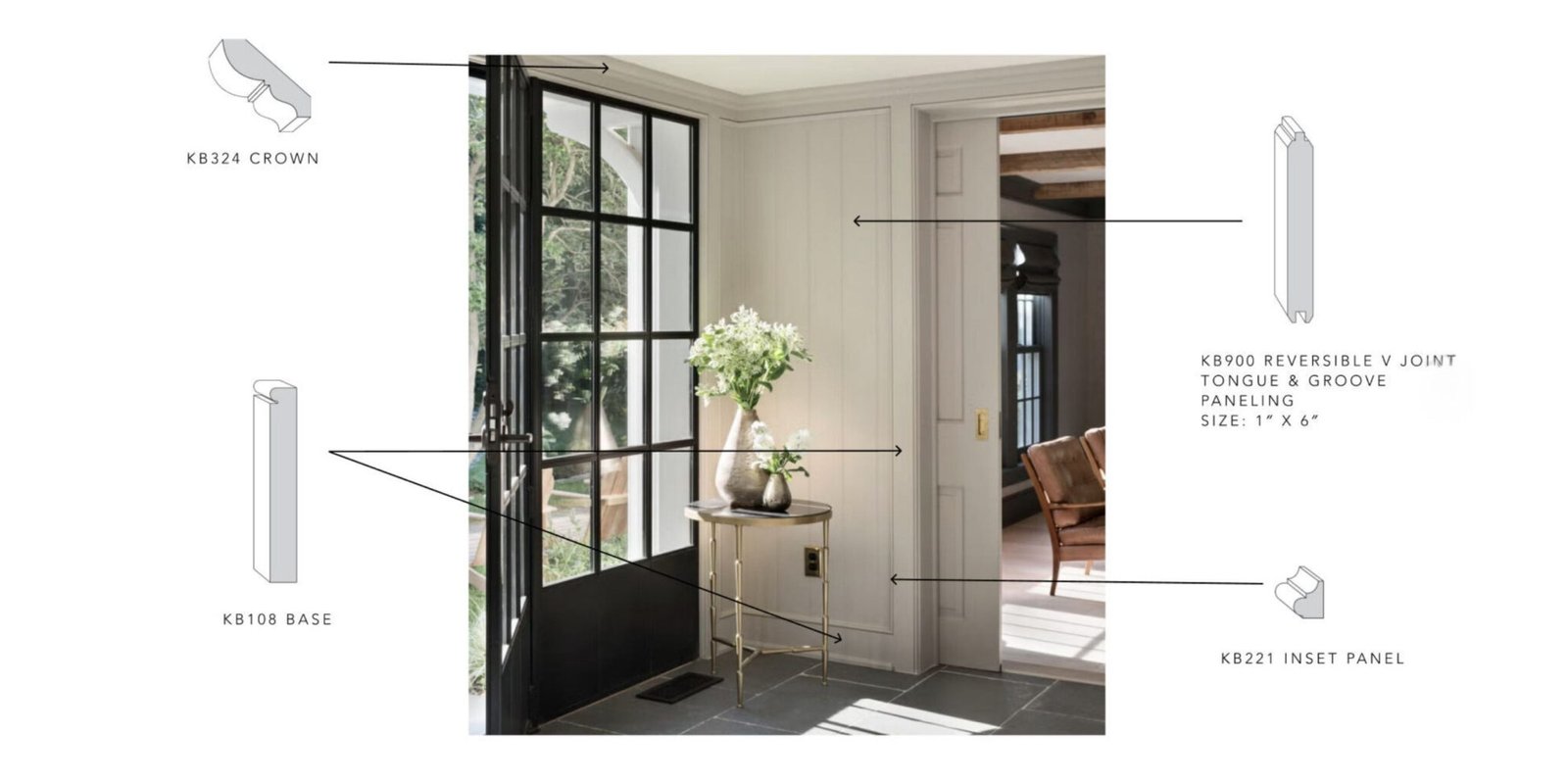
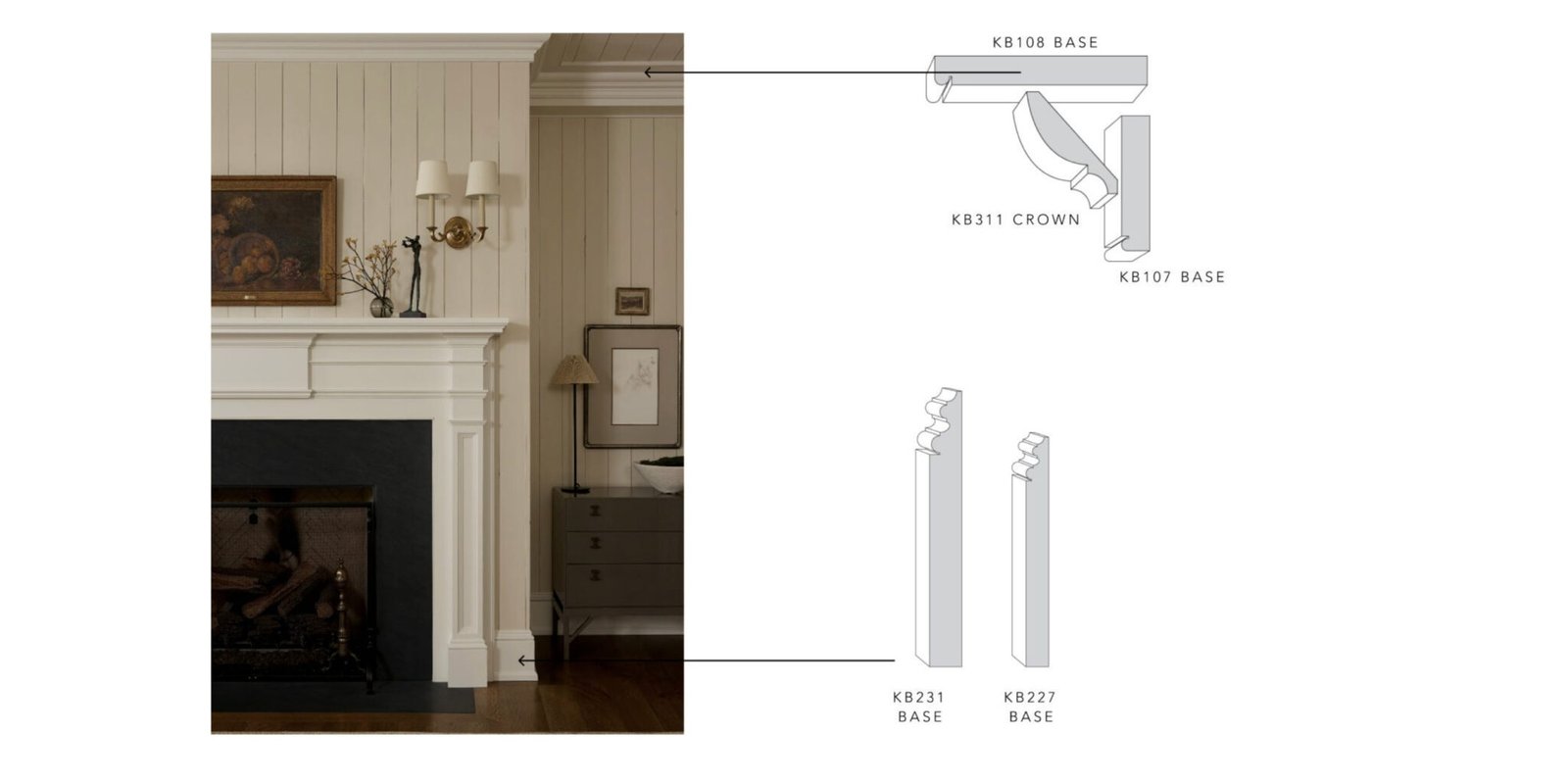
For exploring molding profiles, Kuiken Brothers’ Moulding Design Guide is one of the best resources out there. It’s beautifully organized for homeowners and designers alike. You get detailed drawings, style groupings and historically accurate trim combinations. Browse by architectural style, ceiling height or room type, and you can see how different profiles work together. It’s an incredibly helpful way to picture your options before you finalize the millwork details for your home.
Think Beyond Trim
Millwork is so much more than baseboards and crown molding. It’s the built-ins that make a living room feel tailored. It’s the stair details that anchor an entryway, and the paneling that adds warmth to a dining room.
We often use millwork strategically to create architectural interest. It can frame a view, define zones in an open layout, or draw the eye up to a high ceiling. Small details like these have a powerful impact on how a space feels and flows.
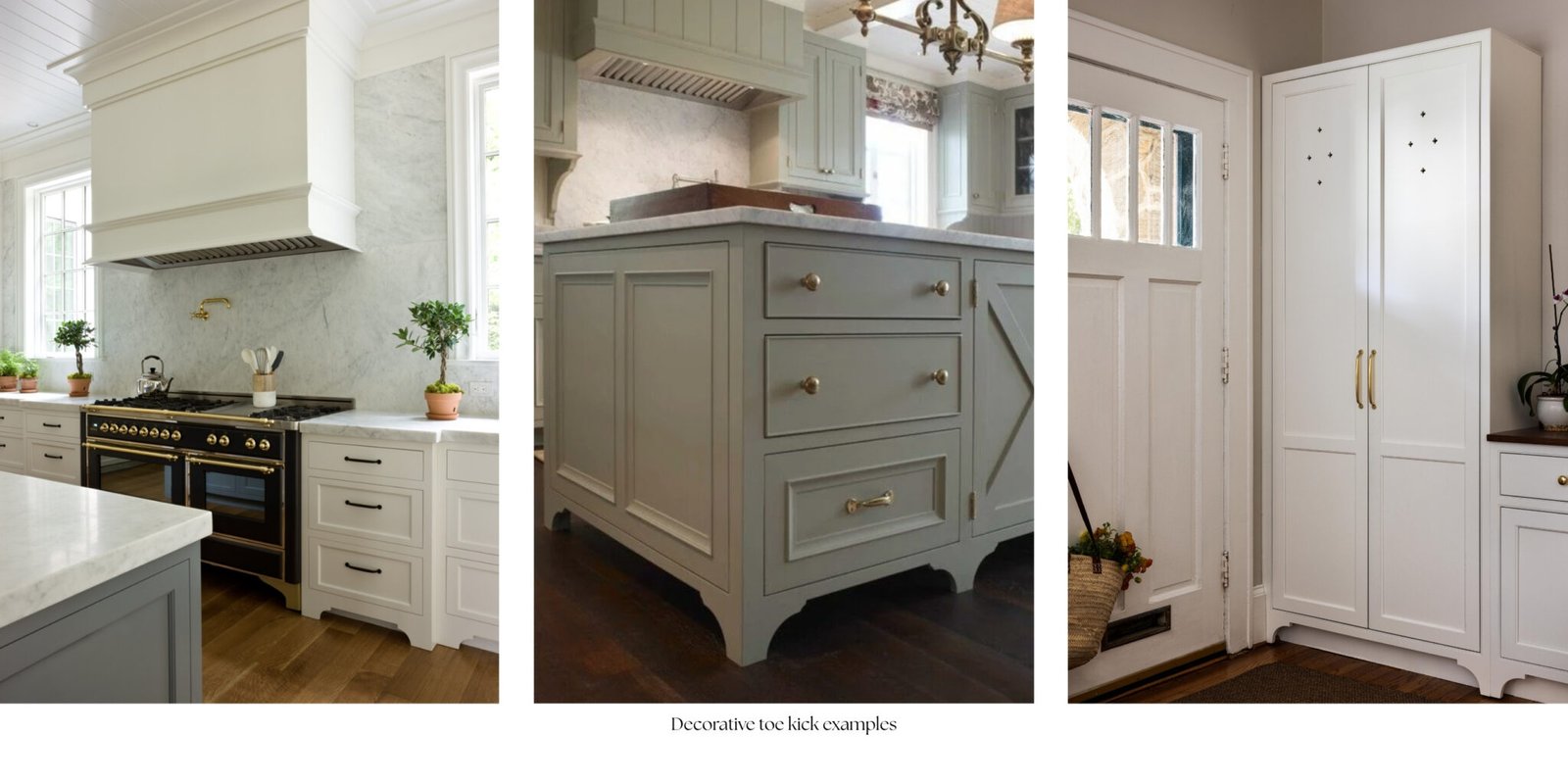
One of my favorite ways to add charm to repetitive or boxy cabinetry is a decorative toe kick. It creates a bit of variation. It adds that unexpected “something extra” that makes cabinetry feel custom. You can also group certain cabinets together. Grouping creates rhythm and variety, and it helps the entire wall feel more intentional and visually balanced.
Design it with intention and millwork becomes part of the story your home tells.
Final Thoughts
Millwork might seem like a small part of a project. But it’s often what separates a nice home from one that feels truly special. Get the scale, the proportion and the consistency right. Your spaces will feel like they were always meant to be that way.
Are you thinking about remodeling or building a new home? We’d love to help you create a space that feels timeless and personal from the very first detail. At House of Maevie we specialize in custom millwork design and residential interior design Raleigh NC. We help homeowners see every line and molding before they order anything. Book a free, no-pressure discovery call and let’s chat about what matters most to you in your new home. Get in touch here.